19 Aug 2026
Exploring Connections Between Card Game Tactics and In-Match Adjustments Across Nordic Football Divisions
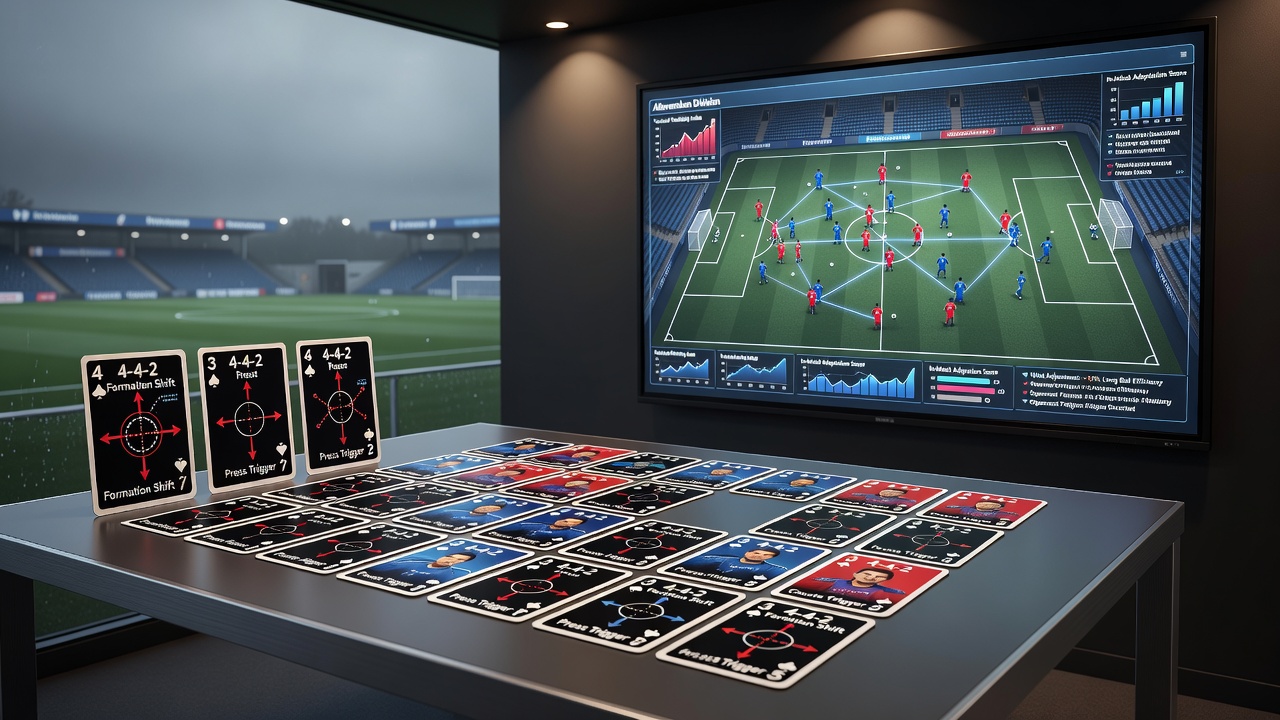
Strategic thinking in card games such as poker and bridge shares notable structural similarities with the rapid tactical shifts required in football matches across Nordic divisions including Sweden's Allsvenskan, Norway's Eliteserien, Denmark's Superliga, and Finland's Veikkausliiga, where coaches and players interpret patterns, calculate risks, and adapt formations based on evolving game states.
Foundational Overlaps in Decision Frameworks
Card players evaluate probabilities and opponent tendencies through repeated observation while football teams in these leagues apply comparable methods during matches by tracking opponent movements, set-piece patterns, and fatigue indicators that prompt substitutions or positional changes, and data from league analyses show coaches who treat in-game variables like incomplete information scenarios achieve measurable improvements in expected goal differentials according to reports from Nordic sports research bodies.
Those studying performance metrics note that bridge players who master signaling systems mirror the way midfielders communicate adjustments on the pitch, since both rely on pre-agreed cues to convey hidden information under time pressure, and historical match logs from the 2025 season illustrate how teams that incorporated such layered communication protocols recorded higher pass completion rates in the final third during late-game scenarios.
Probability Assessment and Real-Time Adaptation
Football analysts across the region draw direct lines to card game mathematics when modeling substitution windows, because each change alters team entropy in ways similar to drawing new cards that shift hand strength, while quantitative studies from institutions like the Norwegian School of Sport Sciences demonstrate that clubs using probability-weighted models for in-match decisions maintain better defensive structures against counter-attacks.
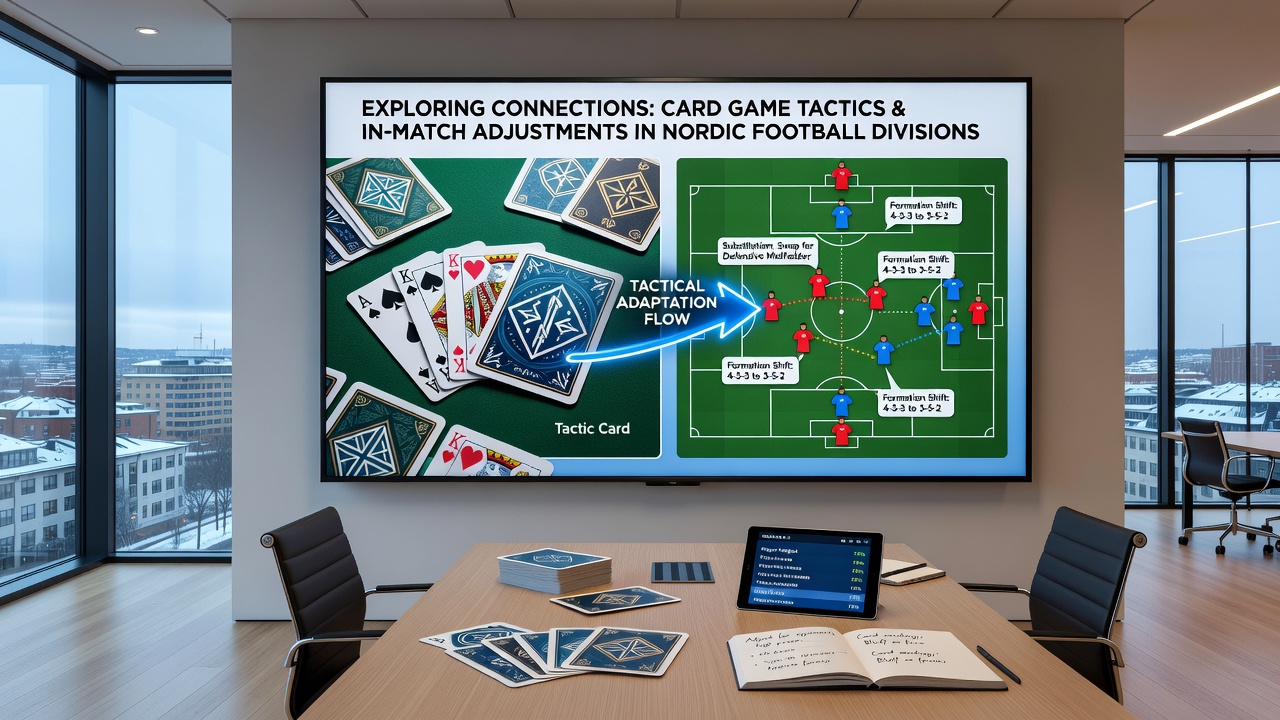
August 2026 marks the start of a new competitive cycle where several Nordic clubs plan to integrate advanced tracking tools that echo poker software used for range construction, allowing staff to simulate thousands of in-game branches before matches begin and adjust on the fly when actual events diverge from projections.
Case Examples from League Play
Observers tracking Eliteserien contests have recorded instances where teams facing numerical disadvantages adopted compact formations that function like tight poker ranges, minimizing exposure while waiting for high-value opportunities, and comparable approaches appear in Allsvenskan fixtures when underdogs protect slim leads by prioritizing expected value calculations over aggressive pressing.
Researchers at the University of Copenhagen have examined how Danish Superliga sides use video review sessions to identify opponent tells, much as card players catalog betting patterns, which leads to targeted set-piece defenses that reduce concession rates by measurable margins over a full campaign.
Data Integration Across Borders
Cross-border collaboration among Nordic analytics departments has produced shared databases that quantify the impact of mid-match adjustments, revealing that teams responding within the first fifteen minutes after an opponent goal show improved recovery percentages, and these findings align with principles from combinatorial game theory taught in academic programs focused on strategic sports modeling.
Industry reports compiled by the European Association for Sports Management further indicate that clubs investing in continuous education programs drawing from both card game strategy literature and football-specific case studies experience steadier performance trajectories across multiple seasons.
Conclusion
The documented connections between card game tactics and football adjustments in Nordic divisions rest on shared foundations of incomplete information processing, pattern recognition, and calculated risk allocation that continue to shape training methodologies and match-day protocols as leagues prepare for upcoming campaigns.